
Course Introduction
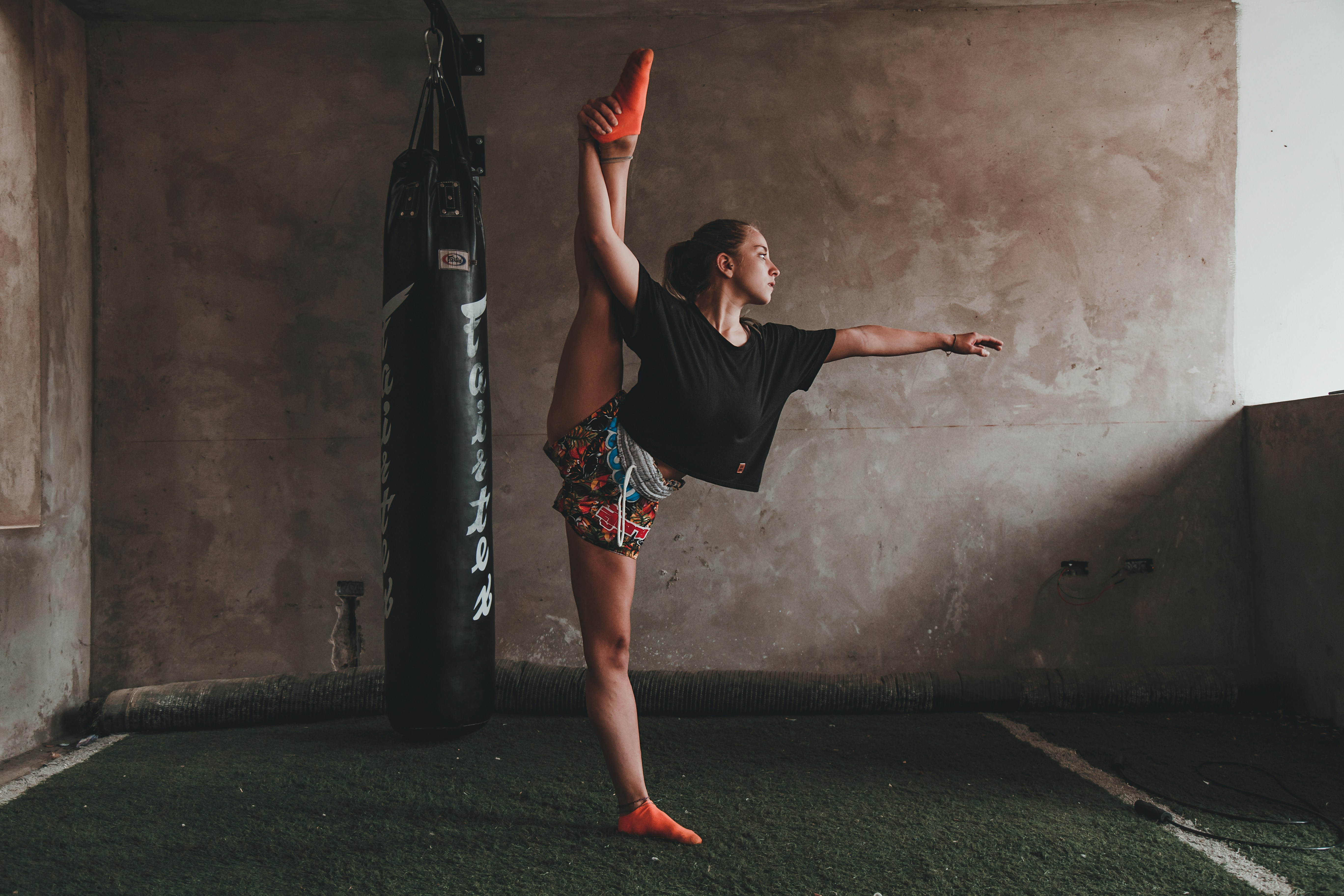
Sports are often celebrated as a space of empowerment, discipline, and achievement. But for female athletes, it has never been only about performance. It has also meant dealing with expectations about how their bodies should look, act, and be judged. This course explores how female athletic bodies are shaped, controlled, celebrated, and challenged within larger systems of gender, race, and power.
Using ideas from feminist theory and gender studies, the course introduces key concepts like the male gaze, body surveillance, hegemonic femininity, intersectionality, and biopower. These ideas help explain why female athletes are judged not just on how well they perform, but on how closely they fit into social expectations of femininity. Athletes who appear “too muscular” or “too strong” are often criticized, while those who align with traditional beauty standards are more easily accepted and even more marketable. This shows how sports aren’t just about competition, but it’s also a space where bodies are constantly evaluated.
Looking at the history of women in sports makes this even clearer. For a long time, women were discouraged, or even prevented, from participating in athletics because of fears that it would harm their bodies or make them less feminine. Even after major changes like Title IX expanded opportunities, female athletes continued to face scrutiny that male athletes did not. Media coverage has played a huge role in this, often focusing more on women’s appearance or personal lives than their athletic achievements.
These issues are still very present. Debates about things like testosterone regulations, unequal media coverage, and endorsement deals show that female athletes are still judged through a lens that prioritizes appearance and conformity. At the same time, many athletes are pushing back. They’re using their platforms to challenge body standards, speak out about inequality, and redefine what strength and femininity can look like.
This course connects to larger conversations in feminist theory by focusing on the body as a key site of power. It also uses an intersectional lens to show that not all female athletes have the same experiences. Race, sexuality, class, and nationality all shape how athletes are seen and treated. For example, Black female athletes are often judged through racialized stereotypes, while queer athletes challenge assumptions about gender and sexuality in sports
.
Overall, this syllabus treats sports as more than just competition, it’s a space where gender, identity, and power are constantly being shaped and challenged. Through a mix of academic readings, media examples, and athlete stories, students will learn how to critically think about the ways bodies are represented, controlled, and resisted in today’s world.
Course Goals and Module Overview
By the end of this course, students will be able to:
- Analyze how gender norms shape perceptions of female athletes’ bodies across different cultural contexts
- Critically evaluate media and institutional representations of women in sports
- Apply intersectional feminist frameworks to understand differences in athletes’ experiences
- Identify and assess how female athletes resist and challenge dominant norms
Modules in this course include:
Module 1: Gender, Sport, and the Construction of the Female Body
Module 2: Media Representation and Body Ideals
Module 3: Intersectionality – Race, Sexuality, and the Athletic Body
Module 4: Resistance, Redefinition, and Athlete Activism
Module 1: Gender, Sports, and the Construction of the Female Body
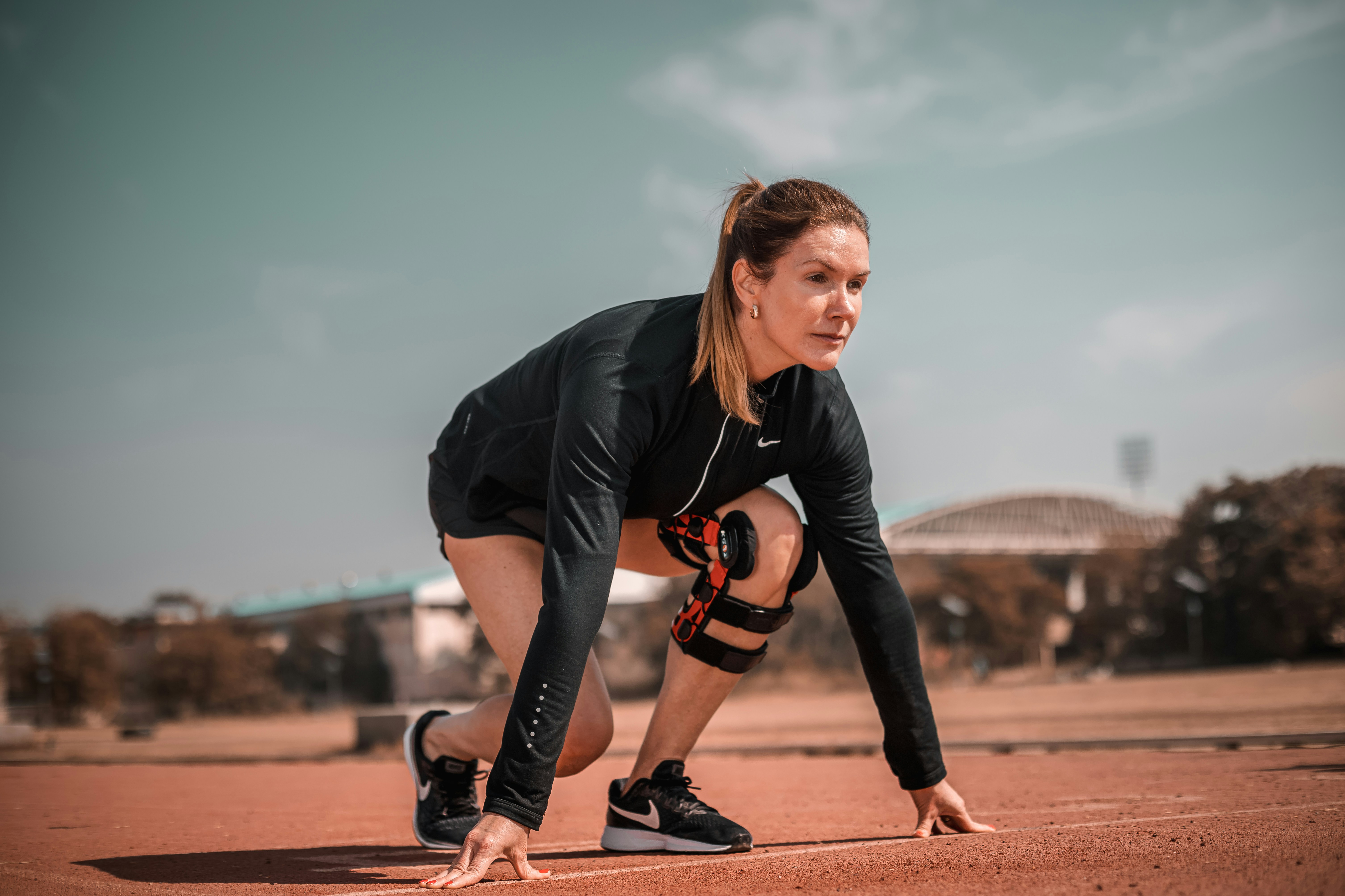
This module sets the foundation for the course by looking at how ideas about gender have shaped sports from the beginning. Students are introduced to key concepts like the male gaze, body surveillance, and hegemonic femininity, which help explain why female athletes are often judged based on how they look rather than how they perform. These ideas also help us understand why strength and muscularity are sometimes seen as conflicting with traditional ideas of femininity.
We start by looking at the history of women in sports, including how early medical and cultural beliefs discouraged women from being physically active. These beliefs often framed athleticism as harmful to women’s bodies or identities. Pairing this history with feminist theory allows students to see how these ideas weren’t random, they were part of larger systems designed to control women’s bodies.
The readings in this module are designed to move from big ideas to real-life examples. Students first learn the theoretical language, then apply it to how sport is structured through rules, uniforms, and media expectations. This helps make abstract concepts feel more concrete.
As the first module, this section gives students the tools they’ll need for the rest of the course. It shows that gender norms are created and reinforced over time, setting up later discussions about media, intersectionality, and resistance.
Discussion Questions:
- How has the “ideal female body” been shaped in relation to sports?
- How does the male gaze influence the way female athletes are viewed?
- Why is strength sometimes seen as conflicting with femininity?
Module 2: Media Representation and Body Ideals
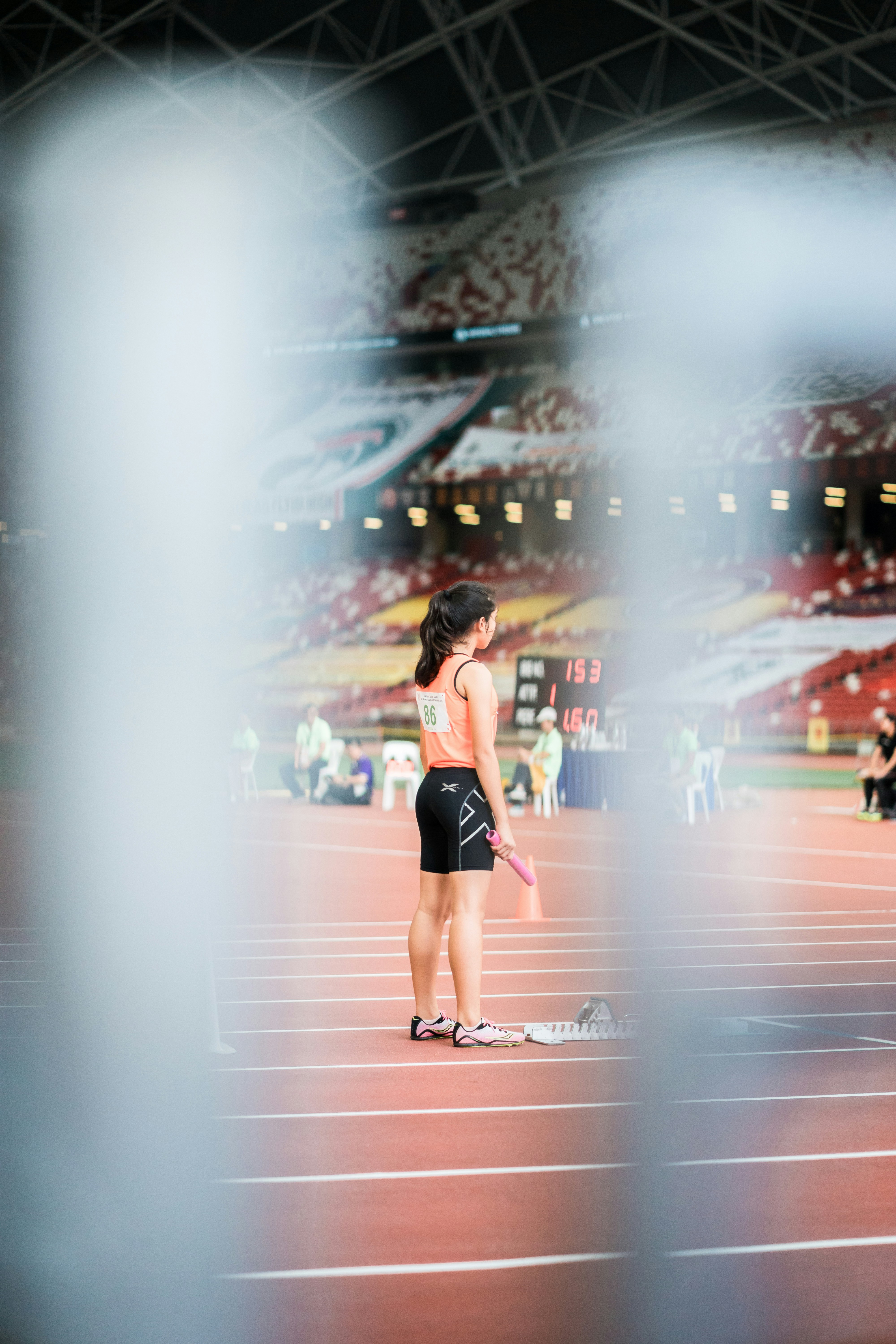
This module shifts the focus to media and how it shapes the way we see female athletes. Even though sports are about performance, media coverage often emphasizes appearance, personality, and marketability instead. This means female athletes are not just competing, they’re also being constantly framed and interpreted.
Students will look at different types of media, including sports coverage, advertisements, and social media. Across these platforms, similar patterns show up: women’s sports are often sexualized, minimized, or judged based on appearance. By comparing examples, students can see how these patterns repeat and reinforce each other.
Social media adds another layer. It gives athletes more control over how they present themselves, but also exposes them to constant public feedback and pressure. This creates a tension between empowerment and expectation that students will explore throughout the module.
Overall, this module shows that media doesn’t just reflect reality, it helps shape it. It builds on earlier concepts by showing how gender norms are spread and reinforced, and it sets up the next module by introducing how representation connects to larger systems like race and sexuality.
Discussion Questions:
- How does media coverage of female athletes differ from that of male athletes?
- Does social media give athletes more control, or more pressure?
- Can representation be both empowering and limiting at the same time?
Module 3: Intersectionality – Race, Sexuality, and the Athletic Body
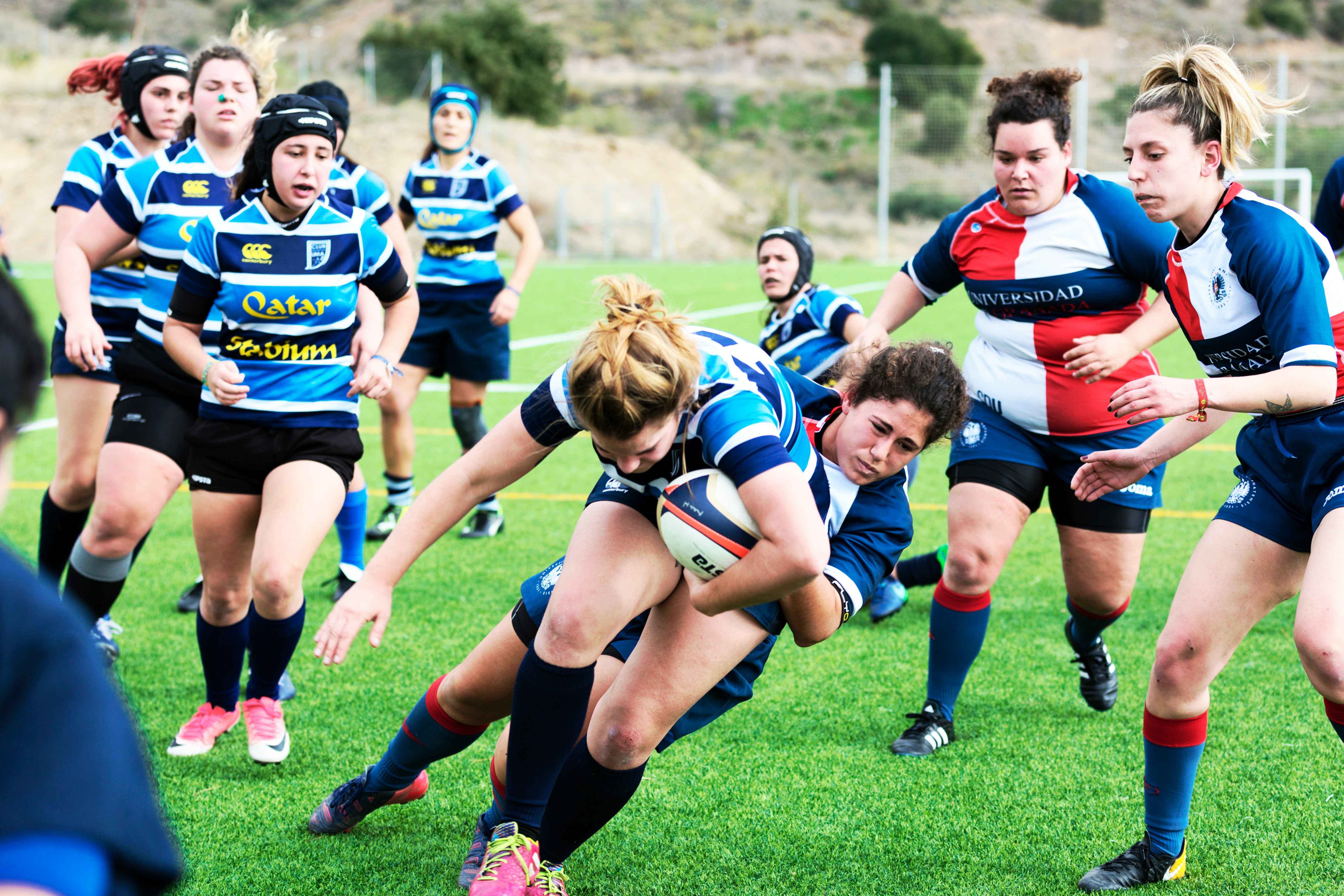
This module expands the conversation by introducing intersectionality. It shows that gender alone doesn’t determine how athletes are treated, but that race, sexuality, class, and nationality also play major roles.
Students will explore how dominant ideas of femininity are often based on whiteness, thinness, and heterosexuality. Athletes who don’t fit these norms, especially Black female athletes and queer athletes, often face additional scrutiny. For example, Black women are frequently labeled as “too aggressive” or “too masculine,” while queer athletes challenge expectations about gender and identity in sports.
The sources in this module include a mix of research, media examples, and personal perspectives. This variety helps students understand that there isn’t one single experience of being a female athlete, experiences vary depending on identity and context.
This module builds on the previous one by showing that representation alone isn’t enough. Visibility doesn’t always mean equality. It also sets up the final module by highlighting how marginalized athletes are often at the forefront of change.
Discussion Questions:
- How does race shape perceptions of female athletes?
- What challenges do queer athletes face in sports culture?
- Why is it important to use an intersectional lens when studying sport?
Module 4: Resistance, Redefinition, and Athlete Activism
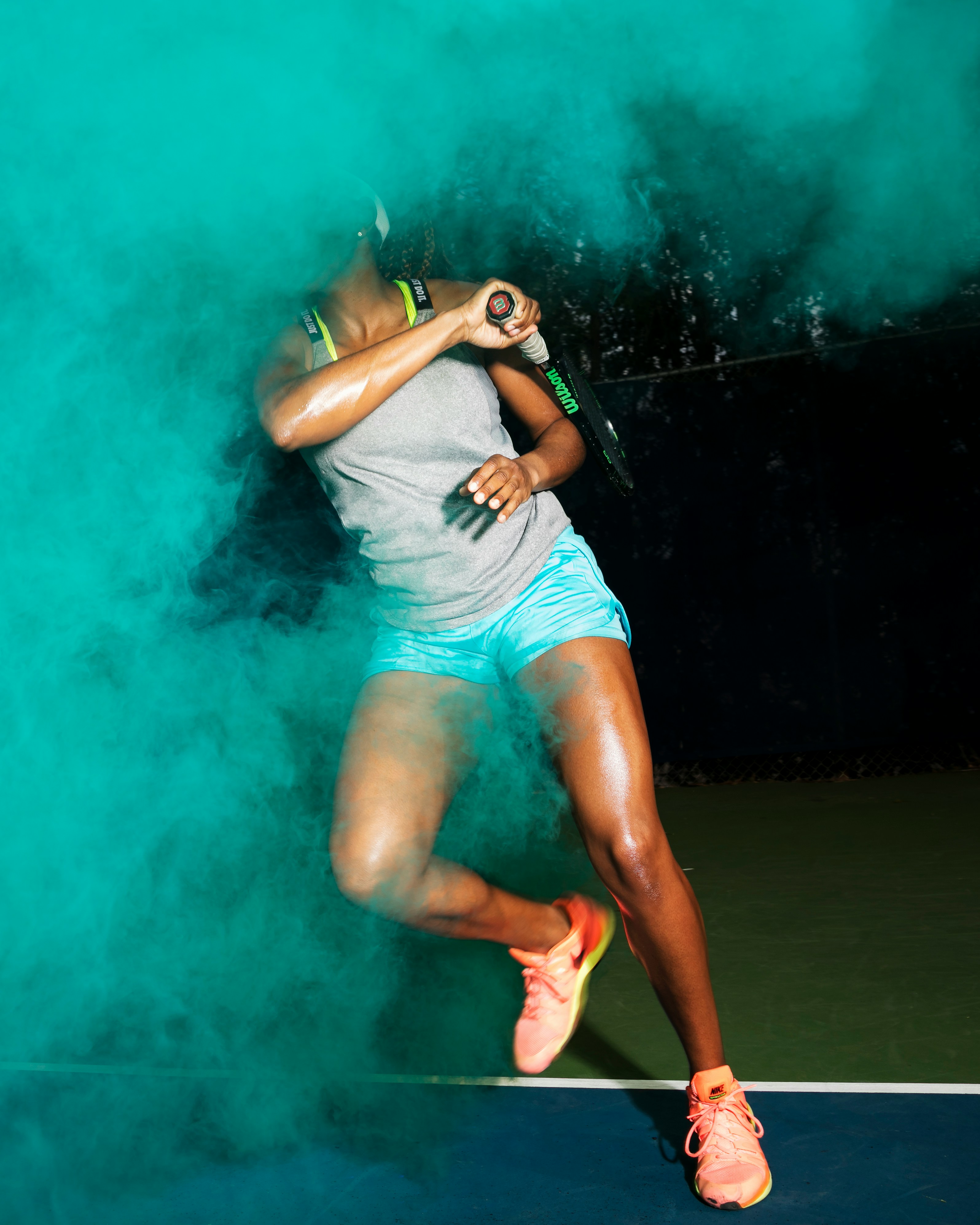
The final module focuses on how female athletes push back against the expectations placed on them. Instead of just analyzing problems, this section looks at how athletes challenge norms and create change.
Students will explore different forms of activism, including speaking out publicly, using social media, and advocating for issues like body image, mental health, and pay equity. These examples show that athletes are not just being judged, they are actively shaping conversations about gender and sports.
At the same time, this module also looks at the limits of resistance. Even when athletes speak out, larger systems of power can still restrict change. This helps students think critically about what progress looks like and how change actually happens.
As the final module, it brings everything together. Students will see how gender norms, media representation, and intersectionality all connect, and how they can be challenged. The course ends with a more complete understanding of both the challenges female athletes face and the possibilities for change.
Discussion Questions:
- How do female athletes challenge expectations about their bodies?
- Can individual activism lead to larger systemic change?
- How are ideas of femininity in sports evolving?
Resources
-
Women’s Sports Foundation. “Chasing Equity: The Triumphs, Challenges, and Opportunities in Sports for Girls and Women.” 2020.
https://www.womenssportsfoundation.org/articles_and_report/chasing-equity/BBC Sport. “Why Do Women Athletes Still Face Scrutiny Over Their Bodies?” 2021.
https://www.bbc.com/sportUN Women. “Women in Sport: Breaking Barriers and Challenging Stereotypes.”
https://www.unwomen.org/en/news/storiesNike. “Dream Crazier.” YouTube, 2019.
https://www.youtube.com/watch?v=whpJ19RJ4JYTEDx Talks. Amanda Defrance. “The Problem with How We Talk About Female Athletes.”
https://www.youtube.com/watch?v=The Conversation. “How Media Coverage of Women’s Sport Perpetuates Gender Stereotypes.”
https://theconversation.com/Olympics.com. “Female Athletes and Media Representation in Sport.”
https://olympics.com/en/newsThe Conversation. “Why Black Female Athletes Are Judged Differently in Sport.”
https://theconversation.com/Human Rights Watch. “Sports, Gender Identity, and Discrimination.”
https://www.hrw.org/topic/lgbt-rights/sportsBBC Sport. “Caster Semenya: The Athlete at the Center of the Testosterone Debate.”
https://www.bbc.com/sport/athleticsPBS NewsHour. “Trans Athletes and the Future of Competitive Sport.”
https://www.pbs.org/newshour/showNBC News. “Simone Biles Withdraws from Olympic Finals to Focus on Mental Health.”
https://www.nbcnews.com/news/olympicsBBC Sport. “Naomi Osaka and the Pressure of Being a Global Athlete.”
https://www.bbc.com/sport/tennisThe Guardian. “Why Female Athletes Are Speaking Out About Body Image.”
https://www.theguardian.com/sportUN Women. “How Women Athletes Are Changing Sport Culture.”
https://www.unwomen.org/en/newsYouTube (Olympics Channel). “Athlete Voices: Breaking Barriers in Women’s Sport.”
https://www.youtube.com/user/olympichttps://unsplash.com/photos/woman-running-wearing-armband-XCkRGOX2VgM
https://unsplash.com/photos/woman-doing-split-while-standing-on-one-leg-eWAK-rslNn0
https://unsplash.com/photos/a-woman-crouches-down-to-pick-up-a-tennis-ball-q8nDOBfFajU
https://unsplash.com/photos/woman-standing-holding-baton-3VwvjRiZ7Nk
https://unsplash.com/photos/womens-rugby-uniforms-uWU5QHeTNvc
https://unsplash.com/photos/woman-playing-soccer-TNkRXdwv-_s
https://unsplash.com/photos/woman-in-white-tank-top-and-blue-shorts-HqdJzlF89_g
Contact Us
Reach out with questions about the syllabus, collaborations, or classroom use. We welcome educators, students, athletes, and curious readers.
 femalebodiesathletesinmotion.com